
"India coffee regions"
1000 article(s) found

The present situation of Panamanian Coffee Market Panamanian Coffee production Panamanian Coffee
Currently, the Coffee Council of India (IndianCoffeeBoard) controls the entire coffee industry, buying coffee and then selling it. Coffee is sold at mass auctions. These coffees are mixed together to reach a certain amount of trade, which eliminates the differences between manors and regions, thus causing many producers of high-quality coffee to lack sufficient motivation to produce.

Coffee beans are produced in the world's top ten coffee producing countries
Coffee beans are produced and exported in nearly 70 countries, but the yield and quality vary widely. Brazil, Vietnam, Colombia, Indonesia, Ethiopia, India, Mexico, Guatemala, Honduras and Peru are among the top 10 countries in the ranking of global coffee production published by the International Coffee Organization (ICO) in 2010. Among the ten major producers, except
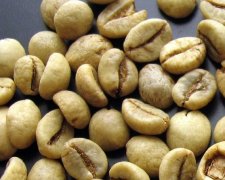
Robusta's secret.
[guide] "Robusta" coffee, commonly known as "thick beans", can be grown at low elevations (200 to 800 meters above sea level), has strong resistance to diseases and insect pests, is not vulnerable to agricultural pests, has a high annual output per unit area, and is harvested in large quantities by machine. in general, the cost of production is much lower than that of Arabica. "Robusta" coffee is commonly known as "stout beans", at low elevations (200 above sea level)
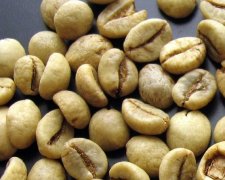
Robusta's secret.
[guide] "Robusta" coffee, commonly known as "thick beans", can be grown at low elevations (200 to 800 meters above sea level), has strong resistance to diseases and insect pests, is not vulnerable to agricultural pests, has a high annual output per unit area, and is harvested in large quantities by machine. in general, the cost of production is much lower than that of Arabica. "Robusta" coffee is commonly known as "stout beans", at low elevations (200 above sea level)
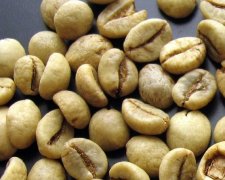
Robusta's secret.
[guide] "Robusta" coffee, commonly known as "thick beans", can be grown at low elevations (200 to 800 meters above sea level), has strong resistance to diseases and insect pests, is not vulnerable to agricultural pests, has a high annual output per unit area, and is harvested in large quantities by machine. in general, the cost of production is much lower than that of Arabica. "Robusta" coffee is commonly known as "stout beans", at low elevations (200 above sea level)

The basic knowledge of coffee beans about Robusta coffee beans
"Robusta" coffee, commonly known as "sturdy beans", can be grown at low elevations (200 to 800 meters above sea level), has strong resistance to diseases and insect pests, is not vulnerable to agricultural disasters, has a high annual output per unit area, and is harvested in large quantities by machine. in general, the cost of production is much lower than that of Arabica coffee. "Robusta" coffee usually has an ordinary, rigid and pungent flavor, and because

Indian-style Malabar coffee has been favored by Europeans since the 17th century.
Professional coffee knowledge exchange more coffee bean information Please follow the coffee workshop (official Wechat account cafe_style) refined wind-stained coffee on rainy days ~ we'll talk about it later. Coffee became the number one drink in the world only 1600 years later, so the recorded history of coffee is only 400 years similar to that of Taiwan. Most people recognize that Africa is the origin of coffee.

Asian Indian coffee wind-stained Malaba coffee beans
Our mysterious impression of India is not only its coffee, but also tea, temples, yoga, sitar, or even the more negative abnormal big cities, and so on. The reason why there are so many kinds of Indian beans on the market today must be attributed to the indomitable Indian coffee expert and importer Dr. Joseph Johns. Over the past 10 years, he has made eye-catching press releases and websites
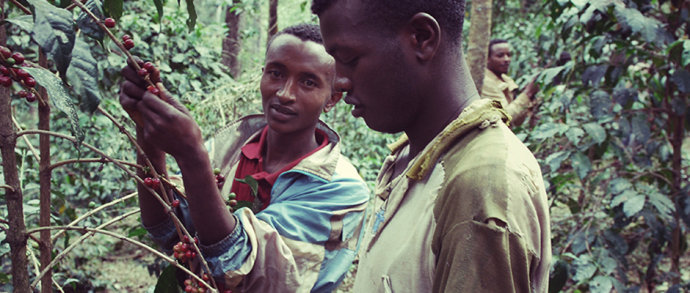
The harvest and processing flow and two basic processing methods of coffee beans in India and West Asia.
Picking: due to climatic differences, the harvest season is usually from September to March in the Northern Hemisphere and from April to August in the Southern Hemisphere. When the coffee beans are ripe, they can be picked. In many alpine slopes, coffee must be picked manually. In relatively flat producing areas such as Brazil, Australia and Hawaii, they can be picked by machines. These two methods

Coffee appreciation Handbook Indian monsoon coffee beans treated by monsoon
Throughout the process, we can see that the taste of a cup of coffee can not be determined by a single link. Only when each link is handled properly can a cup of delicious, smooth and fragrant coffee appear in front of coffee drinkers. On the other hand, if anything goes wrong, it will completely destroy a cup of coffee information from the Coffee appreciation Handbook.

Boutique Indian coffee wind-stained Malaba coffee beans
Indian coffee style stained Malaba coffee beans our mysterious impression of India is not only its coffee, but also tea, temples, yoga, sitaqin, or even the more negative abnormal big cities, and so on. The reason why there are so many kinds of Indian beans on the market today must be attributed to the indomitable Indian coffee expert and importer Dr. Joseph Johns. Past 10

Indian coffee wind-stained Malaba coffee beans
Indian Coffee style stained Malaba Coffee beans Indian Coffee-enigmatic Coffee in a mysterious country our mysterious impression of India is not only in its coffee, but also in tea, temples, yoga, sitaqin, or even the more negative abnormal big cities. The reason why there are so many kinds of Indian beans on the market today must be attributed to the indomitable Indian coffee experts and imports.

Which brand of Indian coffee beans is good? is there any magic oil in Indian coffee? Is Indian coffee famous?
There are several reasons why Indian coffee is so popular with coffee lovers, but the most important one is due to a process applied to coffee beans, often referred to as the monsooning process. ● monsoon coffee (rainy season Malaba) is a kind of coffee from

How to drink Indian Bengal Tiger Robusta Coffee beans
Professional coffee knowledge exchange more coffee bean information please follow the coffee workshop (Wechat official account cafe_style) India Royal Robusta, high-altitude manor beans, the legendary royal kaapi royal, Luodou in the best. As a combination of Italian beans, kaapi royal's extremely rich fat can enhance the mellow feel of coffee, especially suitable for making lattes and kapos. The size of 18 mesh

Mysterious country's mystery coffee boutique Indian coffee wind-stained Malaba coffee beans
Indian coffee style stained Malaba coffee beans our mysterious impression of India is not only its coffee, but also tea, temples, yoga, sitaqin, or even the more negative abnormal big cities, and so on. The reason why there are so many kinds of Indian beans on the market today must be attributed to the indomitable Indian coffee expert and importer Dr. Joseph Johns. Past 10

Indian monsoon Malaba coffee bean planting processing variety information introduction how to make wind-stained coffee?
Professional coffee knowledge exchange more information about coffee beans Please pay attention to the coffee workshop (official Wechat account cafe_style) Coffee has become the first drink in the world only 1600 years later, so the recorded history of coffee is only 400 years similar to that of Taiwan. It is generally recognized that Africa is the home of coffee, originated in Ethiopia and spread to the world from the port of Mocha in Yemen.

Indian coffee boutique coffee cultivation
Coffee tree is a small evergreen tree of Rubiaceae. Coffee for daily consumption is made from coffee beans combined with various cooking utensils, and coffee beans refer to the nuts in the fruit of coffee trees, which are then baked in an appropriate way. The taste of a standard cup of coffee should not be bitter, and a qualified barista will strictly carry out every step when making coffee.

Indian coffee is slippery and delicious, with even granules.
Consumers are getting used to this, so when steamships shorten the journey time, coffee producers find that consumers still want beans of the same color and taste that are affected by long trips. In order to recreate the flavor of the original coffee, the monsoon process was used. Monsoons occur in southwestern India in May and June every year, so

Indian Coffee Manor Arab Plantation Coffee
The best Indian coffee is also classified as Arabian plantation coffee, with the best grades A, B, C and T. Monsoon coffee is divided into high-quality Malabar (Monsooned MalabarAA grade coffee) and monsoon Bassanicoli (Monsooned Basanically) coffee. India also produces some bean-shaped berry coffee. At present, the problem facing the coffee industry is bureaucracy.

Description of Arabica Flavor of Indian Coffee A brief introduction to the producing area of Indian Coffee
Slippery and delicious coffee with uniform granules. There are several reasons why Indian coffee is so popular with coffee hobbies, but the most important is a process used in coffee beans, often called the monsooning process. In the past, passengers or goods sailed to and from India, which took about several months to reach Europe. In transit due to